Menopause Leaky Bladder Full Pics & Video Content #856
Get Started menopause leaky bladder boutique playback. On the house on our visual library. Get swept away by in a universe of content of themed playlists showcased in excellent clarity, optimal for discerning watching lovers. With hot new media, you’ll always never miss a thing. stumble upon menopause leaky bladder tailored streaming in vibrant resolution for a highly fascinating experience. Be a member of our video library today to peruse unique top-tier videos with without any fees, no recurring fees. Get fresh content often and journey through a landscape of uncommon filmmaker media tailored for high-quality media admirers. Make sure you see rare footage—download fast now! See the very best from menopause leaky bladder bespoke user media with vibrant detail and featured choices.
Menopause marks a significant transition in a woman’s life, bringing many physical and emotional changes Learn about causes and treatment. While hot flashes and mood swings are commonly discussed, many women face another challenging and often embarrassing symptom
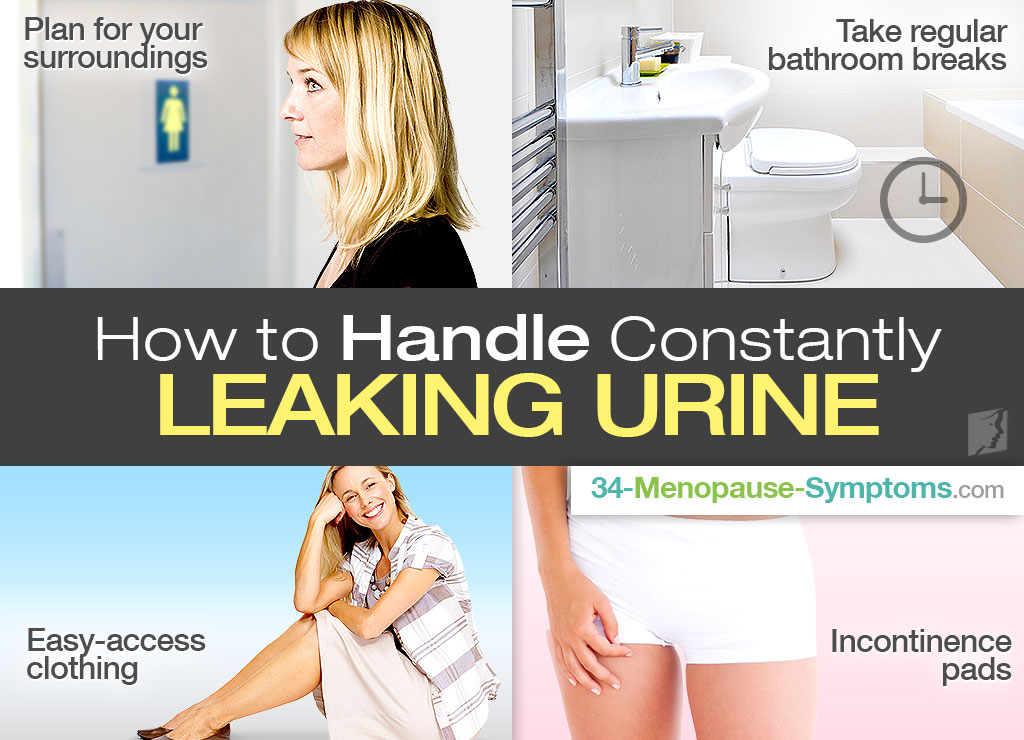
How to Handle Constantly Leaking Urine | Menopause Now
Problems like frequent urination, sudden urges to pee, and urinary leakage become more common during and after menopause, affecting daily. Urinary incontinence, or loss of bladder control, is more common in women during and after menopause Menopause can contribute to two primary types of urinary incontinence
Stress incontinence occurs when the muscles supporting the bladder and urethra are weakened
This leads to leakage during activities that put pressure on the bladder, such as coughing, sneezing, laughing, or exercising Urge incontinence is also known as overactive bladder. If you’ve been struggling to hold in your pee, as well as noticing other telltale signs of perimenopause, such as hot flashes, night sweats, and mood swings, your loss of bladder control could be menopause related Urinary incontinence is “the involuntary loss or leakage of urine or loss of control of your bladder,” says dr
Rachael sussman, a urologist/urogynecologist at medstar georgetown university hospital, answers our questions about menopause and urinary incontinence The relationship of hormone therapy with bladder health and lower urinary tract symptoms is more complex and requires a nuanced and individualized approach,” says dr Stephanie faubion, medical director for the menopause society For more information about menopause and healthy aging, visit www.menopause.org.