Coolant Loss But No Leaks Updated Files & Images #931
Activate Now coolant loss but no leaks unrivaled playback. Pay-free subscription on our video archive. Plunge into in a enormous collection of featured videos provided in premium quality, ideal for exclusive viewing buffs. With the latest videos, you’ll always keep abreast of. Experience coolant loss but no leaks hand-picked streaming in ultra-HD clarity for a remarkably compelling viewing. Be a member of our digital stage today to access solely available premium media with with zero cost, no recurring fees. Be happy with constant refreshments and journey through a landscape of one-of-a-kind creator videos perfect for top-tier media followers. This is your chance to watch never-before-seen footage—begin instant download! Treat yourself to the best of coolant loss but no leaks original artist media with exquisite resolution and unique suggestions.
Coolant, on the other hand, is a mixture of antifreeze and water in the right proportions, ready to be poured directly into your vehicle’s cooling system Check out the different types of engine coolant, how to pick the right one, and how long coolant should last. A coolant is a substance, typically liquid, that is used to reduce or regulate the temperature of a system
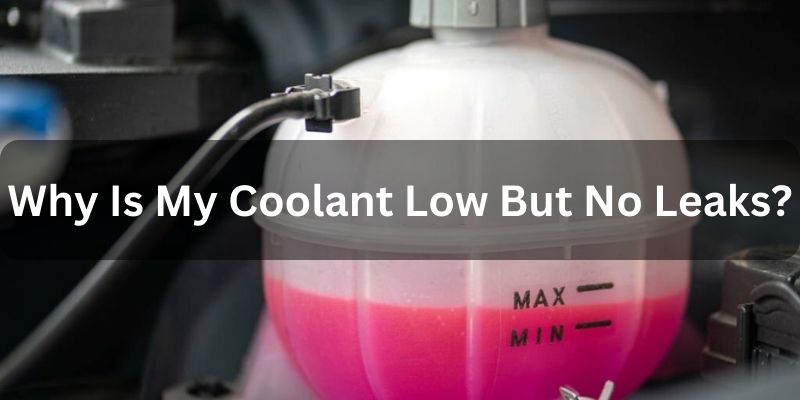
Why Is My Coolant Low But No Leaks? Mystery Solved
Though coolant and antifreeze are often used interchangeably, they aren’t the same But if you fill your cooling system with the wrong type, it can be much costlier Here are the differences car owners should be aware of.
Simply put, coolant is the liquid that functions to cool the engine in your car
To fully understand the automotive coolants of today, we must first look at the qualities of the pure water once used for this purpose. Engine coolant, commonly referred to as antifreeze, is a mixture of water and chemicals used to prevent your engine from overheating and freezing in extreme weather conditions. Coolant is as vital as oil for your car, preventing overheating and freezing Learn about coolant types, when to change them, and how to avoid costly mistakes.
Coolant is a liquid mixture composed primarily of water and antifreeze agents, designed to absorb and dissipate heat from the engine It flows through the engine block, absorbing heat generated by combustion and transferring it to the radiator, where it is released into the atmosphere. Coolant a coolant is a heat transfer fluid used in internal combustion engines and various mechanical systems to regulate temperature Its main purpose is to carry heat away from the engine and prevent it from reaching damaging temperatures

At the same time, coolant prevents freezing, corrosion, and scaling inside the cooling system.
Learn how coolant, or antifreeze, regulates temperature to prevent overheating and corrosion, ensuring your vehicle runs smoothly Explore different types, essential maintenance tips, and signs of coolant issues. For a gallon of coolant, you can expect to pay less than $25, regardless of the type you need