Typical Battery Current Leakage With Engine Turned Off Exclusive Content By Artists #628
Get Started typical battery current leakage with engine turned off pro-level viewing. No monthly payments on our content hub. Plunge into in a great variety of series available in flawless visuals, made for passionate streaming enthusiasts. With newly added videos, you’ll always keep current. Check out typical battery current leakage with engine turned off organized streaming in gorgeous picture quality for a absolutely mesmerizing adventure. Sign up today with our online theater today to witness solely available premium media with totally complimentary, no sign-up needed. Receive consistent updates and delve into an ocean of distinctive producer content made for high-quality media fans. Act now to see one-of-a-kind films—download quickly! Experience the best of typical battery current leakage with engine turned off rare creative works with true-to-life colors and members-only picks.
However, when the engine is turned off, the battery is still connected to the electrical system, and it continues to draw a small amount of current, known as the parasitic drain or standby current Close all doors, but ensure access to the battery. This current can be significant enough to drain the battery over time, especially if the vehicle is not driven regularly.
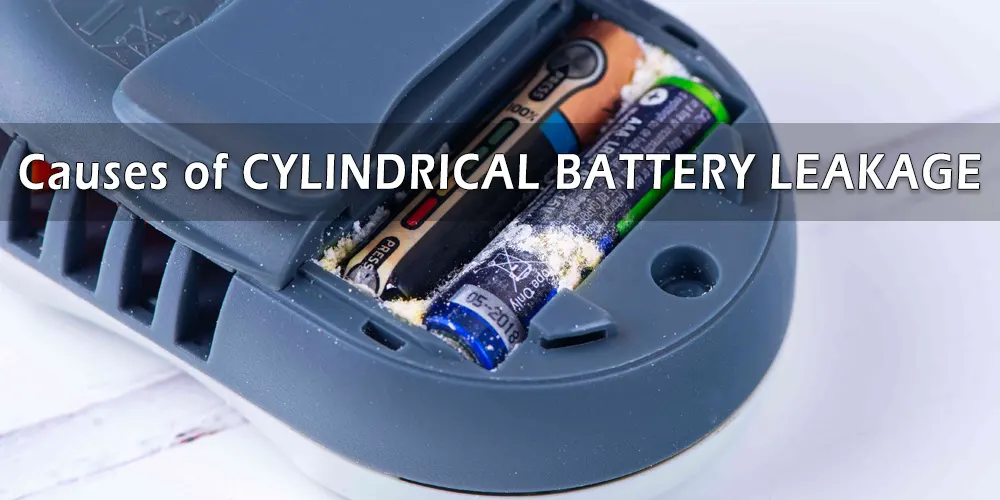
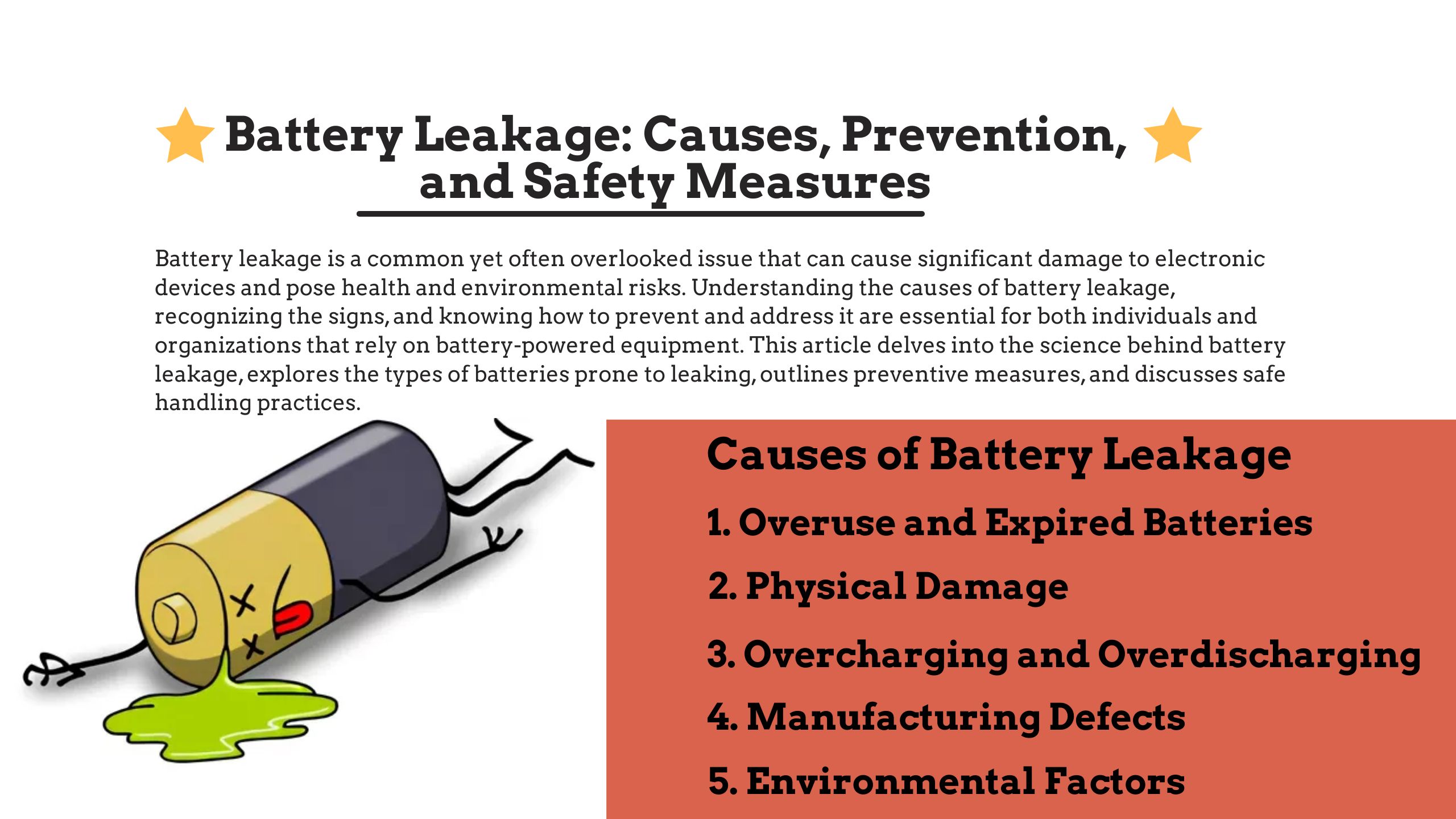
Battery Leakage: Causes, Prevention, and Safety Measures - Sensor One
The key to long life for any battery is to make sure battery voltage doesn't drop below 12.4 volts Turn off all consumers in the car (lights, radio, air conditioning, usb devices in the cigarette lighter) When that happens, sulfation begins to diminish both capacity and performance.
A car battery can be drained while it is off due to factors like interior lights left on, faulty wiring, bad fuses, corroded alternator diode, electrical glitches, ineffective charging.
A car battery, when the vehicle is off, should ideally draw a minimal current—typically between 20 and 50 milliamps (0.02 to 0.05 amps) This parasitic draw powers critical systems like security, memory, and electronics but excessive draw above 75 milliamps can deplete the battery prematurely. 2 assuming the car is in prefect order, the only drain on the battery, when the ignition is off, is from ancillary systems Does anyone have an estimate of what the drain is from
I suspect it depends also on how old the car is, as these systems are improved and miniaturized every year. To measure the leakage current, you need a multimeter with the ability to measure direct current (amperes) The procedure in brief is as follows