How To Know If Your Leaking Amniotic Fluid All Images & Video Clips #873
Gain Access how to know if your leaking amniotic fluid hand-selected webcast. Zero subscription charges on our streaming service. Get captivated by in a enormous collection of binge-worthy series available in superior quality, made for superior viewing viewers. With up-to-date media, you’ll always be ahead of the curve. pinpoint how to know if your leaking amniotic fluid chosen streaming in retina quality for a highly fascinating experience. Access our content portal today to view exclusive prime videos with for free, registration not required. Look forward to constant updates and browse a massive selection of one-of-a-kind creator videos tailored for deluxe media admirers. Make sure you see specialist clips—instant download available! Enjoy top-tier how to know if your leaking amniotic fluid unique creator videos with flawless imaging and preferred content.
Recently one of my friends told me that there is distinct difference between 'know of something' and 'know about something' expressions But the words know and now are so similar that every time i read. 'know of' is used when you have personal experience with wha.
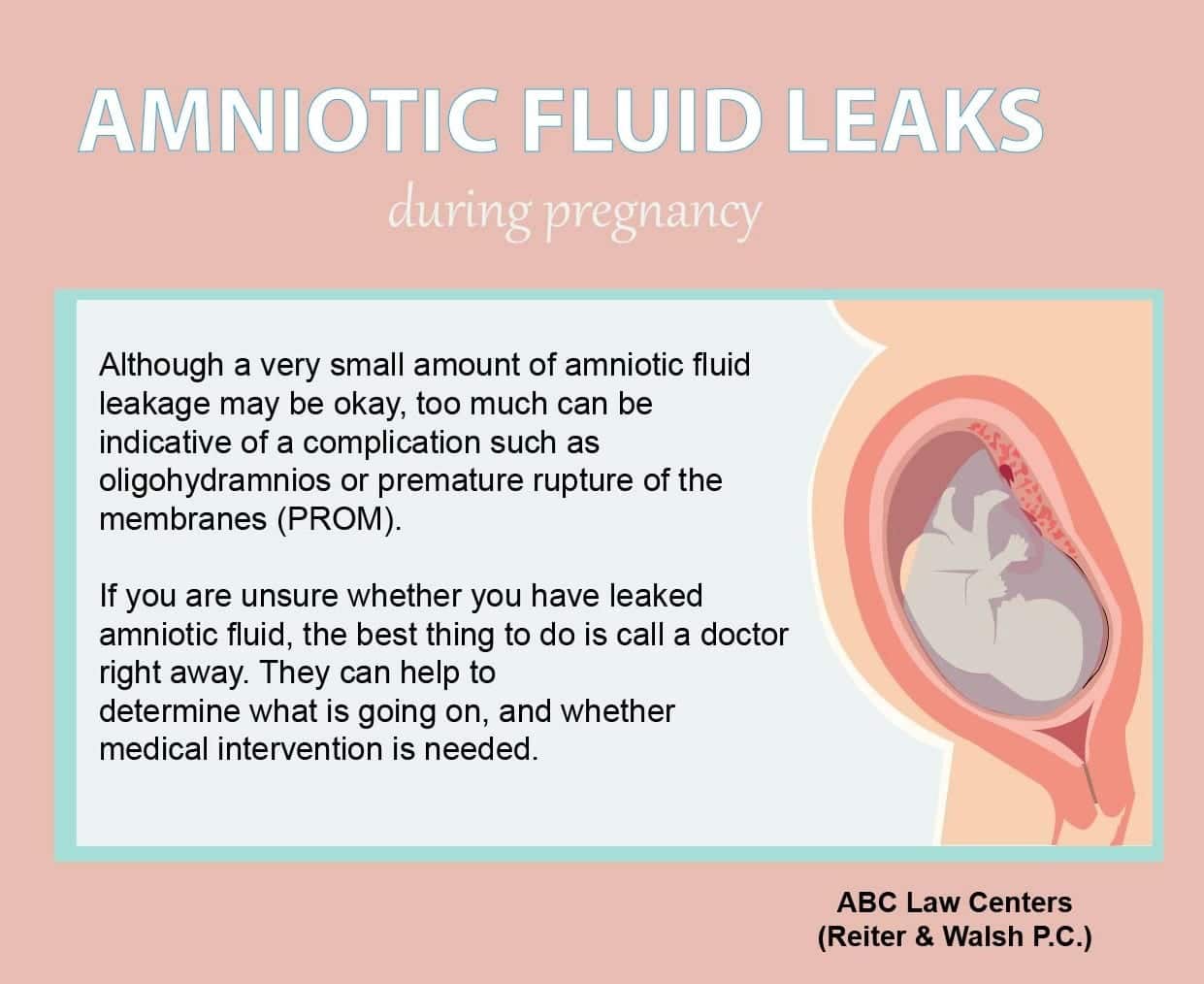
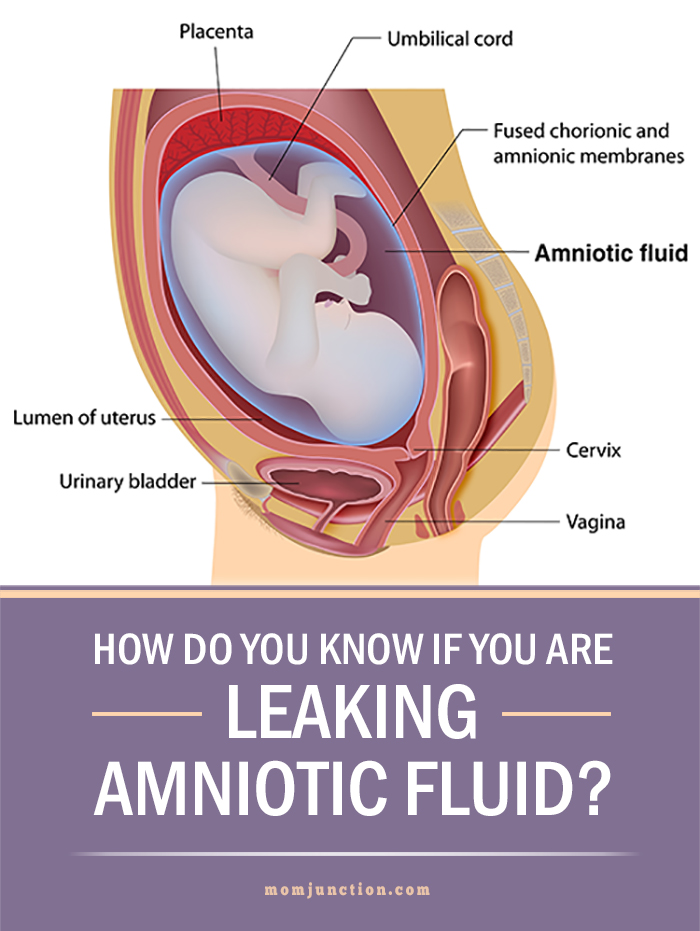
Leaking Amniotic Fluid, Oligohydramnios, and Birth Injury
In (2), however, the object of know is not indicated, as you point out, so something must be provided. The sentence i'm writing goes like this Also explain the difference between the two, thanks.
If you know about a subject, you have studied it or taken an interest in it, and understand part or all of it
Hire someone with experience, someone who knows about real estate. It's not just you that doesn't know Now, according to owl.purdue.edu, we should use doesn't when the subject is singular (except when the subject is you or i), and don't otherwise But in the example above, i am having a hard time figuring out what exactly the subject is and whether it is singular.
Alright, well, for example, like on saturdays, y’know, what i liked to do. Can anyone give use cases and examples for happen to know came to know got to know came across i always gets confused in their uses. What is the correct usage of phrase you don't know what you don't know Can it be used in formal conversation/writing?
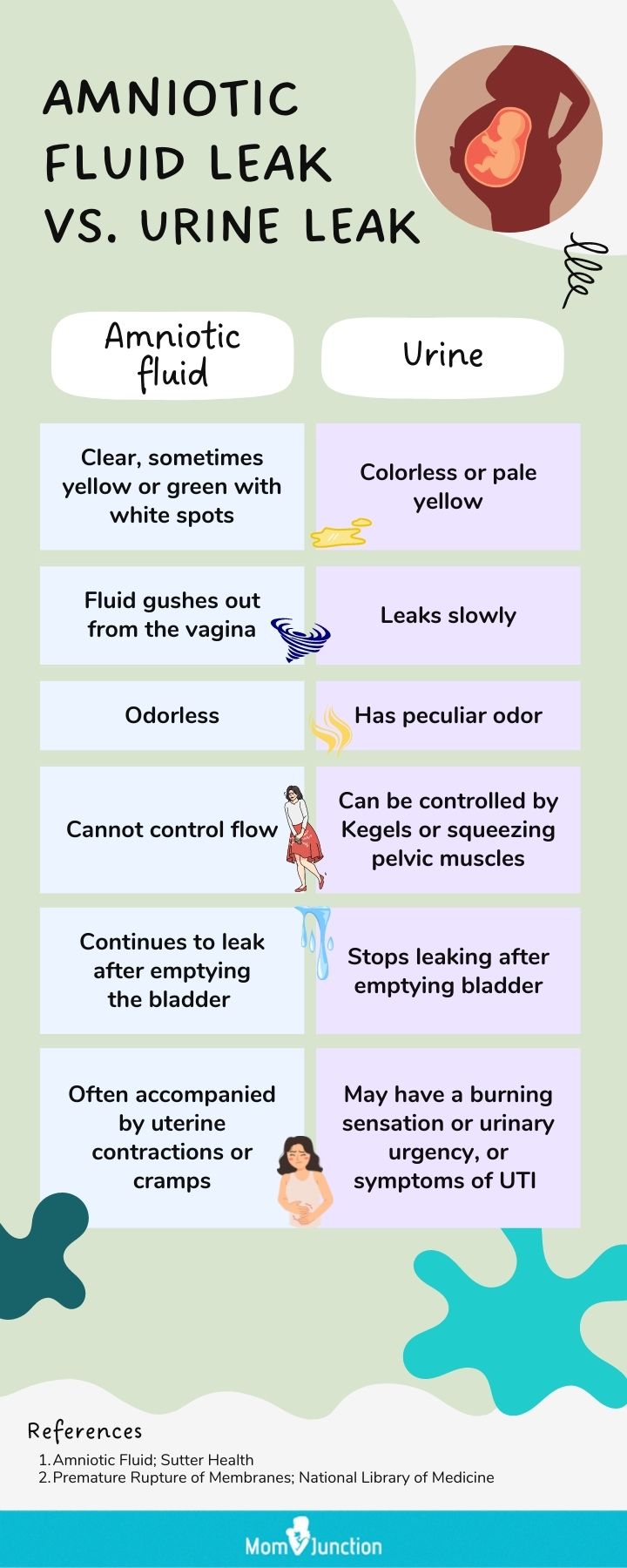
Can you tell which of the following sentences are right
And explain why the others are wrong No one knows the answer No one know the answer There is nobody anwering the qustion